Our Division & developing countries
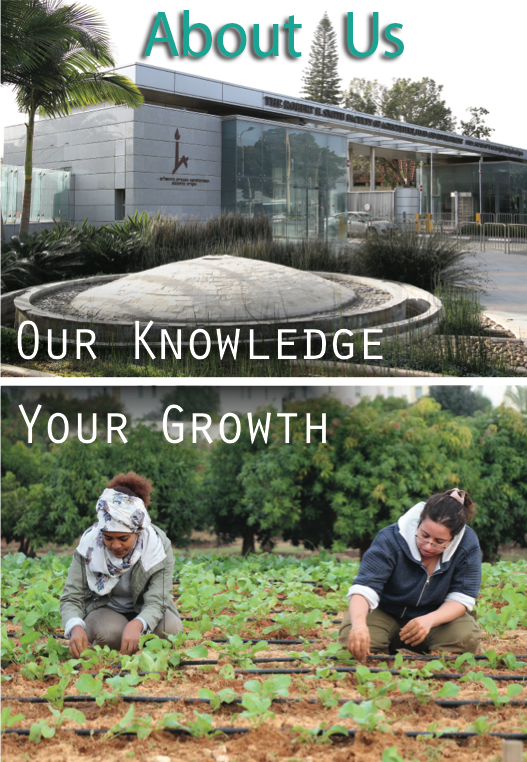
Israeli agriculture is known around the world for its efficient use of extremely limited natural resources to attain maximal results. What was once a poor region ranging from largely-rock-covered land to desert sand, with little fertile soil and even less water, has become a flourishing agricultural power. Researchers from the Hebrew University's Robert H. Smith Faculty of Agriculture, Food & Environment in Rehovot are at the forefront of the most innovative technological advances in their fields, advances which have enabled Israel's agricultural success.
Israel's transformation is an example which gives hope to developing countries. With desertification a cause for concern, the Israeli experience takes on even greater immediacy and relevance for any country contending with the climatic crises. Adapting Israel's current knowledge and techniques to local conditions can lead to an improvement in production, particularly – but not only – of food for the alleviation of hunger.
The alleviation of hunger is also dealt with by the Faculty's School of Nutritional and Food Sciences. Malnutrition is caused not only by a lack of produce, but also by a surfeit of limited types of produce. Oversupply sometimes provides inexpensive solutions for the problem of hunger, while simultaneously creating new health problems. It should be the aim of the balance of the two: food production on the one hand, and nutritional knowledge and policies on the other.
Our experience has shown that the most expensive or technologically sophisticated methods are not always immediately appropriate under existing conditions abroad. These methods often require extensive capital investment, major infrastructural changes, immediate and broad training of manpower for the maintenance of equipment. They are essential, and must eventually be obtained in order to provide long-term advances.
However, it is often equally vital to provide problem-solving techniques which will enable more modest and realistic changes in the short-term. In many cases, this practical approach is likely to be implemented and sustained over a transitional period to give some relief in a problem – even if at times symptomatic - , while broader changes are being studied, funding is being found, plans are being made, etc. in order to provide a cure.
One of the advantages of the Faculty's relations with developing countries is the ability to provide knowledge which fits the needs for both modest and extensive modes of change, the teaching of problem-solving rather than the giving of solutions, the encouragement of the adaptation of techniques to meet local needs rather than the adoption of existing ones which may not suit a given situation elsewhere. Another advantage is the open and informal attitude of the Faculty staff, with a basic belief in the value to the Faculty of learning from the experience of others - whether they are scientists, students, farmers, etc., whether they are from Israel, from developed countries or developing countries. International cooperation is best when all parties contribute to it and all gain from it.
There are three main streams along which these international relationships flow:
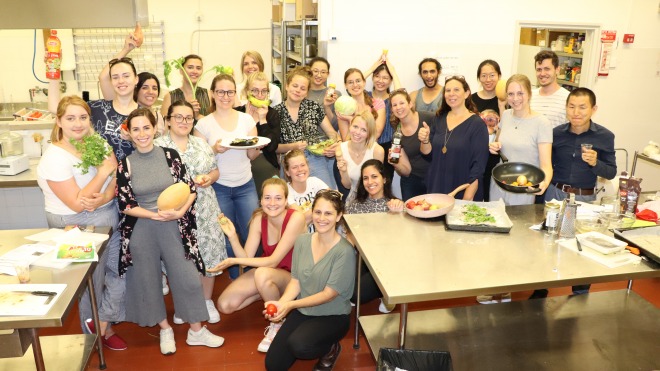
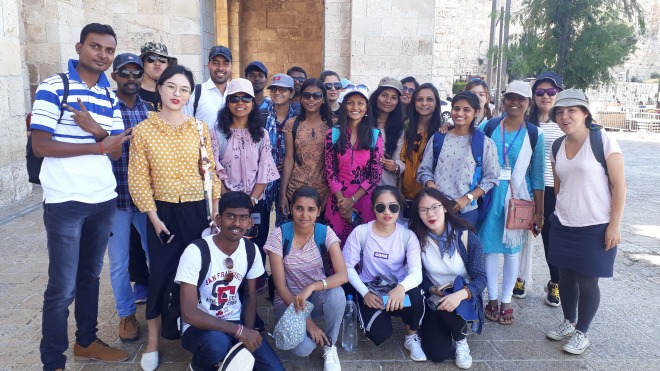
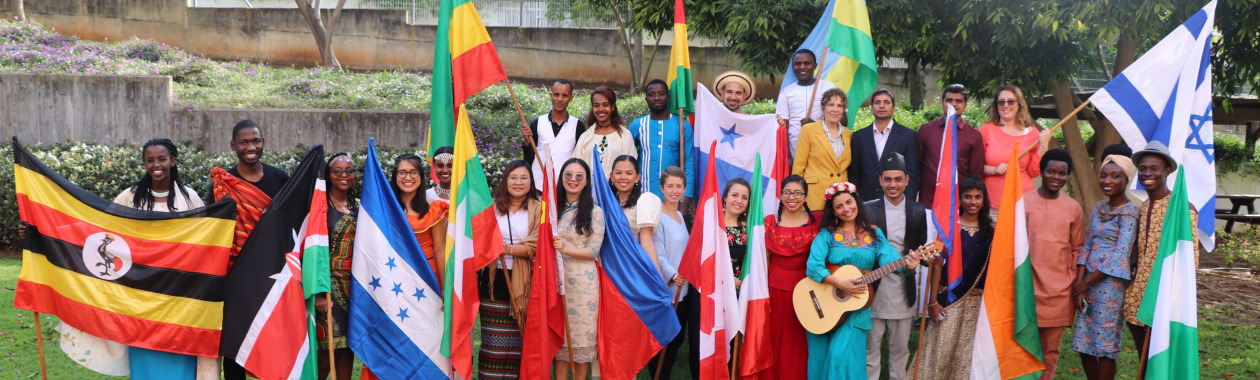
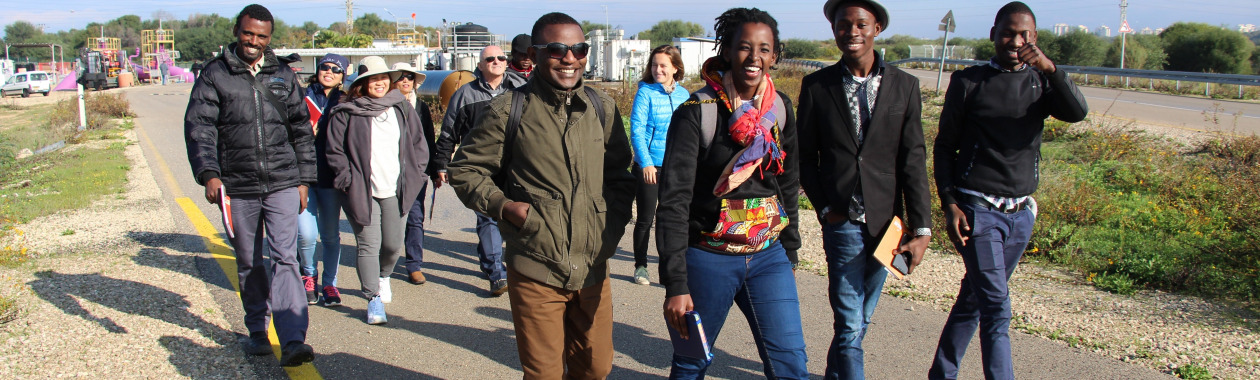
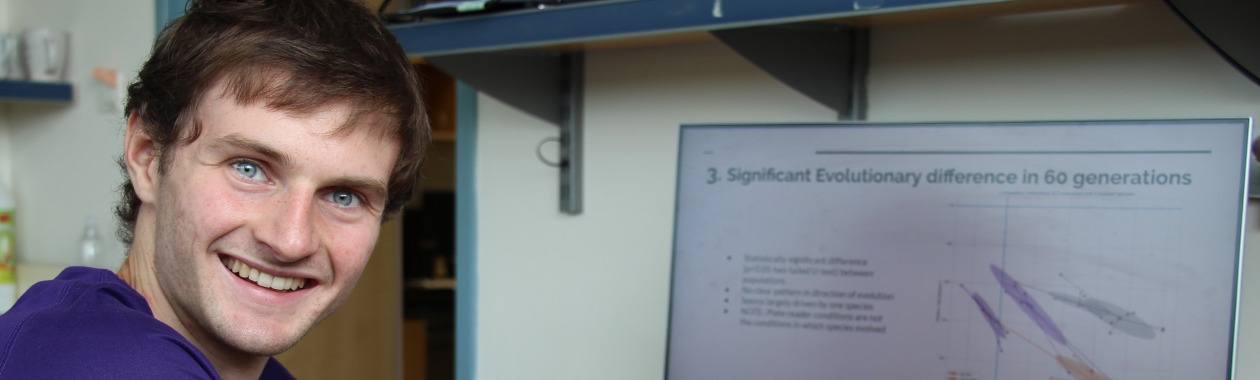
- FOREIGN STUDENTS & RESEARCHERS HERE IN ISRAEL: Scientists and students from other countries spend time at the Faculty in a variety of degree and non-degree programs. The largest number of foreign students are the participants in the activities of the Faculty's Division for External Studies, which is an integral and leading factor in this stream.
- FACULTY STAFF PROJECTS & RESEARCH: Members of the Faculty staff are directly involved in projects abroad and in joint research with colleagues abroad.
- ADVISORS: Israeli agricultural advisors around the world are Faculty graduates or staff.
These three streams flow in many directions, connecting the Faculty with both developed and developing countries. The attached material will indicate how these streams relate to the Faculty's long history of close relations with developing countries.