This website uses cookies to help us give you the best experience when you visit our website. By continuing to use this website, you consent to our use of these cookies.
Glucosinolate accumulation, Biological control of Botrytis cinerea.
Read More
Research in the Lab
The main focus of the research in our lab is plant-pathogen interactions. Plant pathogens challenge our efforts to maximize crop production. A limited understanding of the pathogenesis and defense mechanisms involved in plant-pathogen interactions often obstruct those efforts. We study the plant's defense responses against the fungal plant-pathogen Botrytis cinerea. Structural defense, chemical defense and plant induced resistance via the biocontrol agents Pseudozyma aphidis. Our knowledge on the regulation of plant defense pathways may contribute in the long term to the development of plant-protection strategies that will reduce the required amount of chemicals and thereby genuinely benefit the consumer, farmers and the environment.
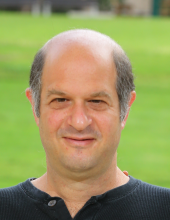
Researcher of the month article at the faculty newsletter.